
Canadian Gaming Jurisdiction Guide: Which License Your Operation Actually Needs
Canada's gaming regulation landscape confuses even experienced operators. You've got federal criminal law, 10 provincial regulatory bodies, 3 territorial frameworks, and indigenous jurisdictions like Kahnawake - all operating simultaneously. Most licensing consultants will tell you "it depends." Here's what it actually depends on, and why most international operators looking at Canada end up choosing Kahnawake over provincial routes.
The confusion starts with jurisdiction overlap. Federal law (Criminal Code Section 207) delegates gaming authority to provinces, but doesn't eliminate federal oversight entirely. Provinces regulate land-based casinos and lottery corporations. Indigenous nations exercise inherent jurisdiction under Section 35 of the Constitution Act. Your operator type, target market, and server location determine which regulatory path makes sense - and which combinations are even legal.
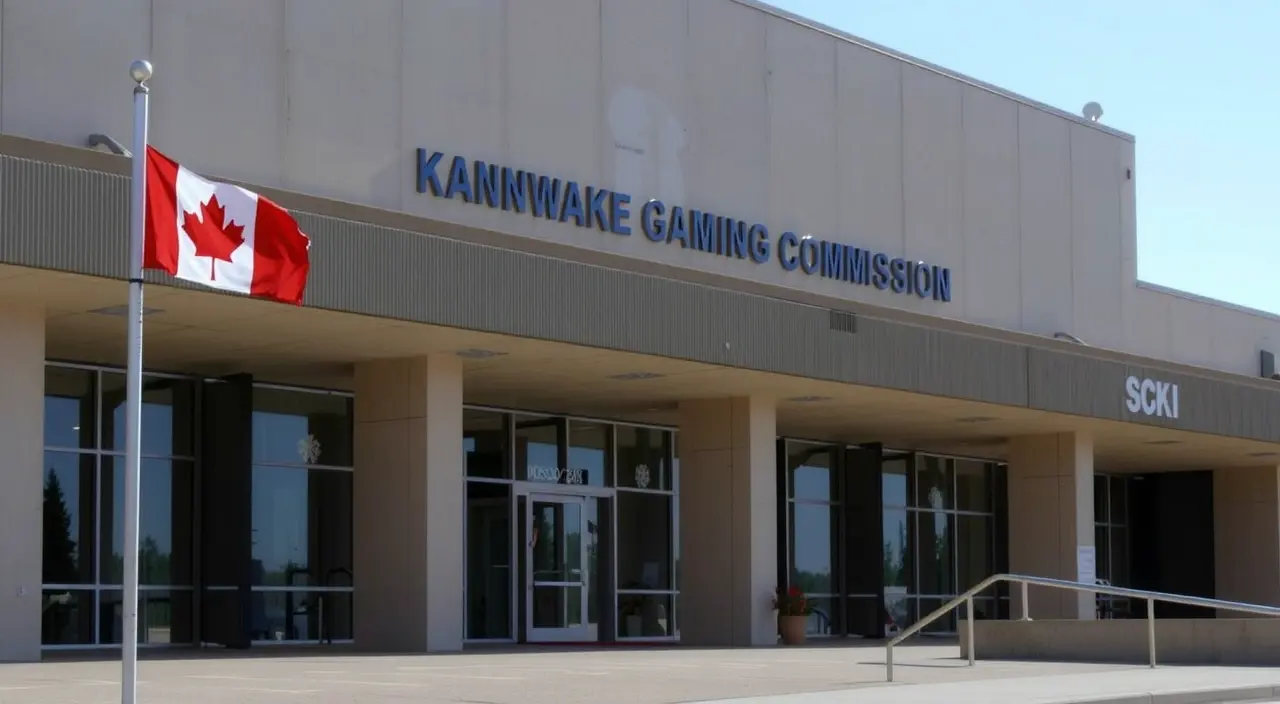
Here's the critical distinction most operators miss: provincial licenses work for B2C operations targeting that specific province's residents. Canadian gaming regulation resources show that cross-provincial operation requires separate licenses in each territory - a compliance nightmare that costs $500K+ annually. Kahnawake jurisdiction covers international markets without provincial restrictions, which is why 250+ operators including major European brands license here instead of going the provincial route.
Federal vs Provincial Authority: What Controls Online Gaming
The Criminal Code creates the framework, but provinces fill in the details. Section 207(1)(a) gives provinces exclusive authority to "conduct and manage" lottery schemes - which legally includes online casino games and sports betting. That sounds straightforward until you realize each province defines "conduct and manage" differently.
Ontario launched iGaming Ontario (iGO) in April 2022, requiring separate provincial licensing even if you hold permits elsewhere in Canada. British Columbia operates through BCLC's PlayNow monopoly - no private operator licenses available. Quebec's Loto-Quebec maintains similar exclusivity. Alberta and Saskatchewan have different frameworks entirely. Most international operators look at this patchwork and immediately ask about alternatives.
Federal authority kicks in for criminal enforcement and cross-border transactions. FINTRAC (Financial Transactions and Reports Analysis Centre) handles AML compliance nationally. RCMP investigates illegal gaming operations. But day-to-day regulatory oversight? That's provincial territory - unless you're operating under indigenous jurisdiction, which creates a separate legal pathway entirely.
Why Provincial Licensing Doesn't Work for Most Operators
Provincial licenses face three deal-breaker limitations. First, geographic restriction - your Ontario license doesn't let you accept players from Quebec. Second, application timelines stretching 12-18 months with no guarantee of approval. Third, ongoing compliance costs averaging $450K-$750K annually per province when you factor in reporting requirements, audits, and regulatory fees.
The indigenous casino regulation framework emerged specifically because provincial systems weren't designed for modern online operations. Kahnawake Gaming Commission launched internet gaming regulation in 1999 - 23 years before Ontario's iGO. That head start created institutional knowledge and streamlined processes provincial regulators still don't match.
Indigenous Gaming Jurisdiction: Kahnawake's Constitutional Authority
Kahnawake Mohawk Territory exercises gaming jurisdiction under Section 35 of the Constitution Act, which recognizes inherent indigenous rights. This isn't a provincial delegation or federal license - it's constitutional authority that predates Canadian confederation. The Gaming Commission operates as a regulatory body with the same sovereignty as provincial authorities, but without geographic limitations that restrict provincial permits.
Here's what that constitutional foundation means operationally: Kahnawake-licensed operators can target international markets without provincial approval. Your servers sit in Kahnawake territory (or approved hosting facilities), but your customer base spans Europe, Asia, Latin America - anywhere except jurisdictions with explicit blocking requirements. Compare that to Ontario's iGO license, which legally restricts you to Ontario residents only.
The regulatory framework itself has evolved over 25+ years. Kahnawake Gaming Commission now requires comprehensive Kahnawake sportsbook licensing requirements including player protection protocols, RNG certification, segregated player funds, and dispute resolution mechanisms. These standards match or exceed provincial requirements, which is why Kahnawake licenses carry weight with payment processors and platform providers globally.
Provincial Licensing Requirements: Ontario as Case Study
Ontario's iGaming Ontario represents Canada's most developed provincial framework for private operators. Requirements include C$100,000 non-refundable application fee, C$150,000 annual regulatory levy, plus revenue sharing at 20% of gross gaming revenue. Application process involves financial audits, ownership disclosure back to 5% shareholders, technical systems review, and responsible gambling program approval.
Timeline? Budget 14-18 months from initial application to go-live approval. That assumes no complications - criminal record checks flagging issues, financial documentation requiring clarification, or technical systems needing remediation. Most applicants hit at least one delay that adds 2-4 months to the timeline. And remember, this gets you Ontario only. Want Quebec too? Start the entire process over with Loto-Quebec, which doesn't even accept private operator applications currently.
British Columbia and Manitoba operate monopoly models through provincial lottery corporations. Private operators can't obtain licenses regardless of capitalization or compliance record. Alberta offers limited licensing through AGLC, but only for specific operator types meeting strict local ownership requirements. Saskatchewan's SLGA follows similar restricted models. The practical reality: only Ontario offers accessible provincial licensing for international operators, and the cost-benefit analysis rarely justifies the investment when Kahnawake jurisdiction provides broader market access.
Compliance Costs: Provincial vs Indigenous Jurisdiction
Annual compliance costs tell the real story. Ontario iGO license: C$150K regulatory levy + C$75-120K audit and reporting costs + 20% revenue share + C$50-80K responsible gambling program maintenance. Total: C$275-350K in fixed costs before revenue sharing. Add C$125-200K for legal and compliance staff. You're looking at C$400-550K baseline, plus the 20% GGR cut.
Kahnawake licensing structure works differently. Initial license fee C$30,000, annual renewal C$15,000, plus tiered revenue fees starting at 2.5% of first C$10M in GGR. Kahnawake license costs and fees total C$125-175K annually for mid-sized operators processing C$20-50M GGR. That's 60-70% lower than provincial costs, with access to international markets rather than single-province restriction.
"We evaluated Ontario, Malta, and Kahnawake for our sportsbook launch. Ontario's 20% revenue share killed the business case. Kahnawake offered 90-day licensing timeline, 2.5-5% fees, and no geographic restrictions. ROI difference was $2.4M in year one alone." - European sportsbook operator, licensed 2023
Market Access: Provincial Restrictions vs International Reach
Provincial licenses grant exclusive access to that province's regulated market - and explicitly prohibit accepting players from other jurisdictions. Ontario's iGO framework makes this crystal clear: your license permits Ontario residents only. Accept a Quebec player? That's operating without proper authorization, risking license suspension and criminal referral.
This creates bizarre operational constraints. Your marketing must geo-fence each province. Payment processing needs provincial verification. Customer service requires jurisdictional screening. Bonuses and promotions must comply with each province's specific advertising rules - which differ significantly between Ontario, Alberta, and BC. Multi-provincial operation means maintaining separate compliance programs for each territory, multiplying overhead costs without expanding your addressable market proportionally.
Kahnawake jurisdiction flips this model. Your license covers international operations excluding specifically restricted markets (typically just North Korea, Iran, Syria - standard OFAC compliance). Target European players? Accepted. Asian markets? Approved. Latin American growth? No additional licensing required. This international reach is why established European operators expanding to North American markets choose Kahnawake over provincial routes - the license actually scales with business growth rather than fragmenting operations across multiple provincial frameworks.
Choosing Your Regulatory Path: Decision Framework
Your regulatory choice comes down to three factors: target market geography, operational timeline, and compliance budget. If you're exclusively targeting Ontario residents with no international ambitions, iGO licensing makes sense despite higher costs - it's the legal requirement for that market. But that's a narrow use case.
Most operators fall into different categories. European brands expanding to North American markets need international reach, not provincial restriction. Startup sportsbooks require fast time-to-market and manageable compliance costs. White-label operators serving multiple brands need flexible licensing that doesn't require separate applications per territory. For these scenarios - which represent 90%+ of applications we evaluate - Kahnawake jurisdiction delivers better regulatory fit than provincial alternatives.
The decision matrix looks like this: Provincial licensing works for single-market, high-volume operations with 18+ month timelines and C$500K+ compliance budgets. Indigenous jurisdiction (specifically Kahnawake) works for international operations, multi-brand portfolios, and operators needing 90-120 day licensing with C$150-200K annual compliance costs. There's no middle ground - the regulatory frameworks are fundamentally different in structure and market access.
Next Steps: Regulatory Assessment
Start with honest market assessment. Map your target player demographics geographically. Calculate projected GGR by jurisdiction. Model compliance costs under each regulatory framework - including the hidden costs like additional legal staff, multi-jurisdictional audits, and geo-restricted payment processing. Most operators discover Kahnawake jurisdiction delivers 3-4x better ROI than provincial licensing once you account for true total cost of compliance.
We work with operators evaluating Canadian regulatory options weekly. The consultation clarifies which jurisdictional path aligns with your business model, what documentation you need to prepare, and realistic timeline expectations. No sales pitch - just regulatory clarity from someone who's guided 100+ licensing applications through both provincial and indigenous frameworks. Book your assessment call and we'll map your specific regulatory path based on your operational requirements, not generic advice.