
White Label Casino Licensing: Launch Your Casino in 60 Days Without the Compliance Headaches
Building a casino from scratch means navigating licensing requirements, compliance frameworks, payment integrations, and software certifications. That's 12-18 months and $500K+ before you process your first bet. White label casino licensing cuts that timeline to 60-90 days and your upfront investment by 70%.
But here's what most operators miss: not all white label arrangements are created equal. Some give you a genuine sublicense with operational control. Others lease you a platform where you're essentially a marketing affiliate with casino branding. The difference determines whether you're building a business or renting someone else's infrastructure.
This guide breaks down how white label licensing actually works, what jurisdictions allow it, and the hidden costs that surface after you sign the contract. If you're evaluating casino licensing solutions, here's what you need to know before committing to a provider.
How White Label Casino Licensing Works (The Real Structure)
A white label casino license works through sublicensing. The platform provider holds a master license in a regulated jurisdiction - typically Curacao, Malta, or Kahnawake. You operate under their license certificate while running your own branded casino.
The provider handles the compliance infrastructure: license maintenance, regulatory reporting, game certifications, payment processor relationships, and responsible gaming protocols. You focus on customer acquisition, branding, and market operations.
Here's the typical arrangement:
- Master licensee - Platform provider holds the gaming license and compliance responsibility
- Sublicensee - Your casino brand operates under their license umbrella
- Revenue share - Provider takes 15-35% of GGR depending on services included
- Technical stack - You get access to their gaming platform, payment systems, and back-office tools
Most contracts run 2-3 years with auto-renewal clauses. You don't own the license - you're leasing access to it. That distinction matters when you want to migrate providers or sell your operation later.
Jurisdictions That Allow White Label Sublicensing
Not every gaming jurisdiction permits sublicensing arrangements. Some require each operator to hold an individual license certificate. Others allow platform providers to sublicense under specific conditions.
Curacao (Most Common)
Four master license holders control Curacao's white label market. They sublicense to hundreds of casino brands. The regulatory framework is permissive but reputation risk is higher - especially for operators targeting European markets where Curacao licenses face increasing scrutiny.
Setup time: 4-6 weeks. Revenue share: 20-30%. Compliance overhead: minimal but reputational concerns with tier-1 payment processors.
Kahnawake (Canada)
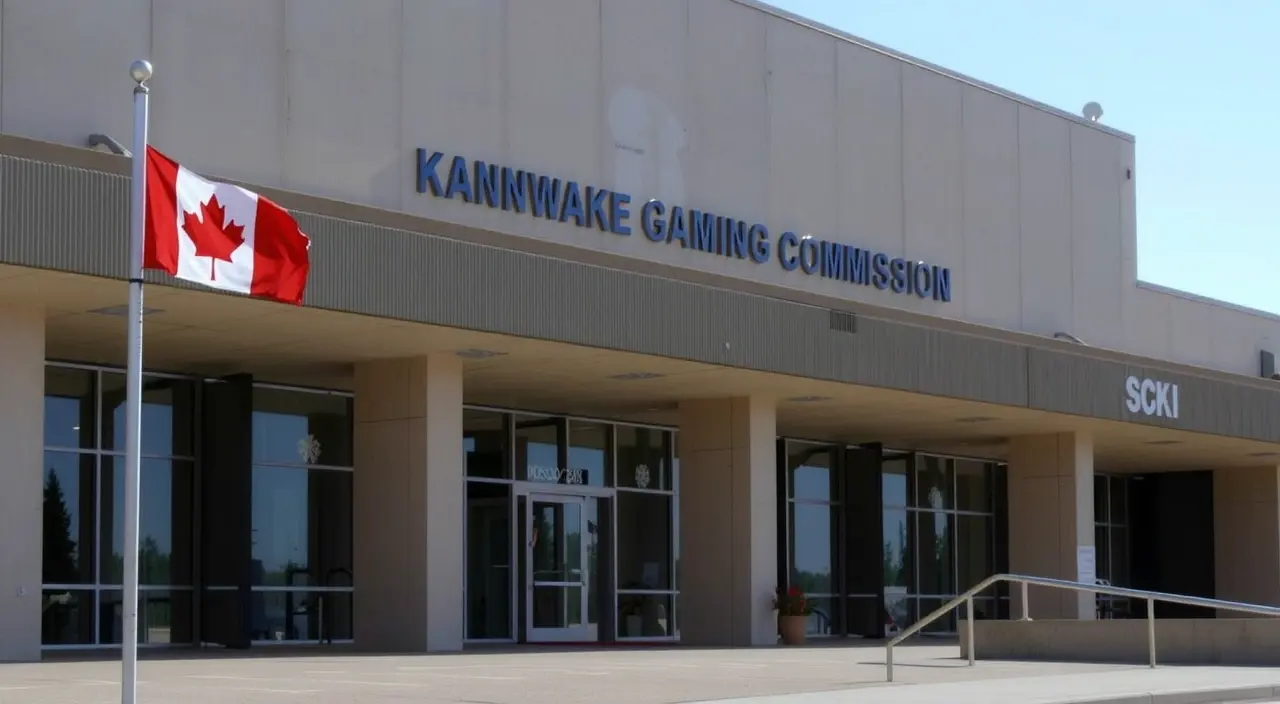
The Kahnawake Gaming Commission allows white label arrangements under their Key Person License framework. The sublicensee must still pass background checks and demonstrate technical competence. It's more rigorous than Curacao but offers better regulatory credibility.
Our complete license requirements checklist covers what documentation you'll need even for sublicensing arrangements. Kahnawake requires beneficial ownership disclosure and financial stability proof regardless of white label status.
Setup time: 8-12 weeks. Revenue share: 15-25%. Compliance requirements: moderate but better banking access than Curacao.
Malta (Rare but Credible)
Malta Gaming Authority technically allows B2B arrangements but rarely approves true white label sublicensing. Most "Malta white labels" are actually managed services where you still need your own B2C license. If a provider claims they can sublicense you under their Malta certificate, verify that claim with MGA directly.
Comparing jurisdictional frameworks helps clarify which route fits your compliance tolerance and target markets. Check our Kahnawake vs Malta licensing comparison for a detailed breakdown of regulatory requirements across both jurisdictions.
What's Actually Included in White Label Licensing Packages
Platform providers bundle different services under "white label" terminology. Here's what standard packages include and where upgrades cost extra:
Core Package (Usually Included)
- Sublicense coverage under master certificate
- Gaming platform with 2,000-5,000 slots and table games
- Payment gateway integration (3-5 processors)
- Basic back-office: player management, reporting, KYC tools
- Responsible gaming controls (deposit limits, self-exclusion)
- SSL certificate and basic security infrastructure
Common Add-Ons (Extra Fees)
- Sportsbook integration: $5K-15K setup + revenue share increase
- Cryptocurrency payment rails: $3K-8K integration
- Custom game development or exclusive content
- Advanced CRM and player segmentation tools
- Dedicated account manager vs. shared support queue
- White-labeled mobile apps (iOS/Android): $10K-30K per platform
Read the contract for what triggers revenue share increases. Adding payment methods, game verticals, or jurisdictional expansions often bumps your percentage even if the provider's marginal cost is near zero.
The Real Costs: Beyond the Revenue Share
Providers advertise white label licensing as "affordable" compared to independent licensing. That's true for upfront costs but monthly economics tell a different story.
Here's the actual cost structure most operators face:
- Setup fee: $10K-50K (one-time)
- Monthly platform fee: $3K-8K regardless of revenue
- Revenue share: 15-35% of gross gaming revenue
- Payment processing: 2-5% of deposits (you pay this separately)
- Game provider fees: Usually bundled but sometimes passed through at 10-15% of game win
Do the math on a casino generating $100K monthly GGR: 25% revenue share ($25K) + $5K platform fee + $3K in payment fees = $33K in provider costs before marketing, staff, or licenses in individual jurisdictions.
For context, an independent Kahnawake license cost breakdown shows total annual costs around $60K-80K including renewals. If you're scaling past $50K monthly GGR, white label economics start looking expensive compared to holding your own license.
When White Label Licensing Makes Sense (And When It Doesn't)
White label works best in three scenarios:
Testing market fit: You're launching your first casino and want to validate customer acquisition channels before committing to full licensing infrastructure. Treat it as a 12-month test phase, not a permanent solution.
Rapid market entry: You've identified a short-term opportunity (new market opening, competitor exit, regulatory window) where speed matters more than margins. Get live fast, capture market share, migrate to your own license later.
Small-scale operations: You're targeting a niche audience and don't expect to exceed $30K-50K monthly GGR. At that scale, white label economics work better than maintaining independent compliance infrastructure.
White label doesn't work when:
- You're planning significant scale (over $100K monthly GGR within 18 months)
- You need custom game integrations or proprietary features the platform doesn't support
- You're building for acquisition - buyers want to acquire licenses, not platform leases
- Your target markets require individual licensing anyway (UK, Sweden, Ontario)
The Exit Strategy Nobody Discusses Upfront
Here's what happens when you want to leave a white label arrangement:
Your player database stays with the platform provider in most contracts. You can't migrate player accounts, transaction history, or marketing data to a new provider. You're essentially starting over with customer acquisition.
Some contracts include buyout clauses where you can purchase your player data for 6-12 months of projected revenue. That's expensive but necessary if you've built real customer lifetime value.
If you're treating white label as a stepping stone to independent licensing, negotiate data portability terms before you sign. Most providers resist this because player retention is how they defend their revenue share even after you outgrow the platform.
White Label vs. Independent Licensing: The Real Comparison
The choice isn't binary. Some operators start white label, validate their business model, then transition to independent licensing once they hit consistent profitability.
Independent licensing makes sense when you're ready to own your compliance infrastructure and player relationships. It requires more upfront capital and regulatory expertise but gives you control over product roadmap, payment partnerships, and exit strategy.
White label licensing works when speed and capital efficiency matter more than long-term margins. It's a rental model - useful for market entry but expensive at scale.
Most operators underestimate how quickly white label costs compound. Run the numbers on your 24-month projections. If you're targeting more than $75K monthly GGR by month 18, independent licensing probably costs less than staying white label.
The operators who succeed with white label treat it as a temporary solution, not a permanent infrastructure. Launch fast, prove your model, then graduate to your own license before the revenue share becomes more expensive than compliance overhead.
Ready to evaluate whether white label or independent licensing fits your launch timeline? We'll walk through your specific situation - no generic advice, just direct answers based on your target markets and growth projections. Book a consultation and we'll map out your fastest compliant path to launch.