
Kahnawake Gaming License Requirements: Your Complete Compliance Checklist
Most operators underestimate what Kahnawake Gaming Commission actually wants to see. They submit applications missing critical documentation, then wonder why approval drags from 90 days to 6+ months. The KGC doesn't publish a simple checklist because gaming regulations aren't simple - but after helping 40+ operators navigate this process, I can tell you exactly what separates smooth approvals from bureaucratic nightmares.
Here's the reality: Kahnawake requirements fall into five categories, each with specific documentation standards. Miss one item in corporate structure disclosure, and your entire application goes back for revision. Get your financial statements format wrong, and you're explaining discrepancies for weeks.
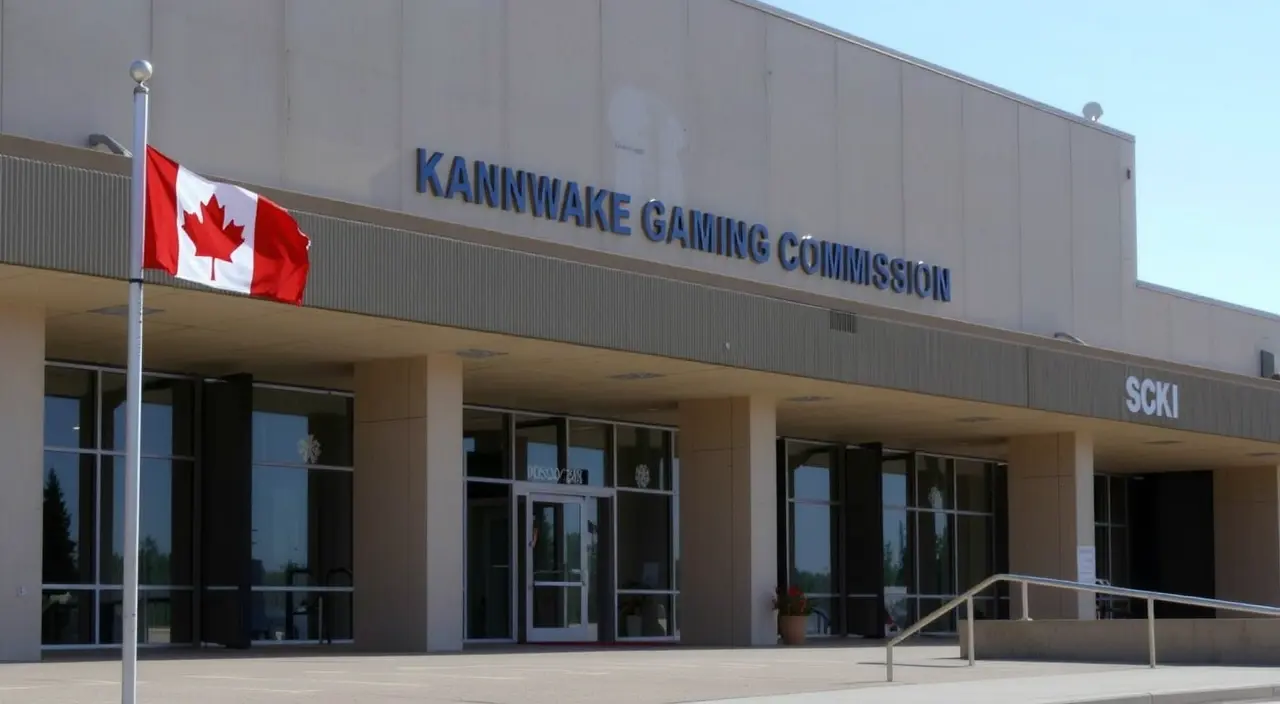
This checklist covers everything KGC reviews during initial application and ongoing compliance audits. I've organized requirements by submission phase so you know exactly what to prepare when. No generic advice, no regulatory theory - just the specific documents and formats Kahnawake expects from operators ready to go live in Canadian indigenous jurisdiction.
Corporate Structure and Ownership Documentation
Kahnawake Gaming Commission wants complete transparency on who controls your operation. They'll reject applications with opaque ownership structures or offshore entities that hide beneficial owners. Here's what "complete transparency" actually means in documentation terms:
Required Corporate Documents
- Certificate of Incorporation: Original or certified copy from registration jurisdiction, not older than 12 months. If incorporated outside Canada, include apostille certification.
- Articles of Association: Complete version showing share classes, voting rights, and transfer restrictions. KGC reviews these for gaming-specific provisions.
- Share Register: Current shareholder list with ownership percentages. Any shareholder holding 5%+ equity needs individual disclosure.
- Organizational Chart: Visual diagram showing parent companies, subsidiaries, and beneficial owners down to natural persons. Include jurisdiction of each entity.
- Board Resolution: Minutes authorizing gaming license application, signed by all directors. Must specifically reference Kahnawake jurisdiction.
Beneficial Ownership Disclosure
This trips up more applicants than any other requirement. Kahnawake defines beneficial owners as anyone with 10%+ direct or indirect ownership, or operational control through agreements. You'll submit:
- Personal history forms for each beneficial owner (notarized)
- Police background checks from countries of residence (last 10 years)
- Financial reference letters from banking institutions
- CVs documenting business experience and source of funds
- Passport copies and proof of address (utility bills, not older than 3 months)
Operators with complex structures involving trusts, nominees, or holding companies need legal opinions explaining beneficial ownership chains. KGC won't accept "trust confidentiality" as reason to withhold owner identities.
Financial Capability Requirements
Kahnawake doesn't set minimum capitalization amounts publicly, but expect scrutiny if operating capital drops below $500K for basic operations or $2M for comprehensive multi-vertical platforms. Financial documentation proves you can cover player liabilities, operational costs, and compliance obligations without running dry.
Financial Statements and Projections
- Audited Financials: Last 3 years if existing company, parent company statements if new entity. Must follow IFRS or GAAP standards with independent auditor opinion.
- Bank References: Letters from primary banking institutions confirming account standing, average balances, and credit facilities. Template requests from KGC specify exact wording requirements.
- Business Plan: 3-year financial projections including revenue models, customer acquisition costs, and break-even analysis. KGC compares your projections against industry benchmarks.
- Source of Funds Declaration: Detailed explanation of capital origin for each beneficial owner and corporate entity. Include supporting documentation like sale agreements, inheritance papers, or investment exit statements.
Player Fund Protection
Kahnawake requires segregated player accounts with Canadian financial institutions. Before license approval, you'll establish:
- Trust account agreement with KGC-approved bank
- Daily reconciliation procedures documented in writing
- Minimum reserve calculations covering 100% player balances plus 7 days operating expenses
- Insurance or bonding covering specific risk categories (usually $100K minimum)
For detailed financial planning around these requirements, review our detailed cost breakdown for Kahnawake licenses covering setup and ongoing compliance costs.
Technical Platform and Gaming System Requirements
Your platform needs independent certification before KGC grants provisional approval. This isn't box-checking - Kahnawake's technical standards cover RNG integrity, game fairness, security protocols, and responsible gaming controls. Most operators underestimate certification timelines here.
Required Technical Certifications
- Gaming Laboratory Certification: RNG testing and game fairness reports from eCOGRA, GLI, iTech Labs, or Gaming Associates. Certification must be current (within 24 months) and cover all game types you'll offer.
- Platform Security Audit: Penetration testing results and vulnerability assessments from recognized cybersecurity firms. KGC wants evidence of data encryption, DDoS protection, and secure payment processing.
- Software Escrow Agreement: Source code deposit with third-party agent ensuring game continuity if platform provider fails. Critical for white-label operators.
- Disaster Recovery Plan: Documented backup procedures, data replication protocols, and recovery time objectives. KGC tests these during technical inspections.
Technical Documentation Package
Beyond certifications, submit technical specifications covering:
- System architecture diagrams showing server locations, data flow, and integration points
- Database schema and transaction logging procedures
- Payment processing workflows with PCI-DSS compliance evidence
- API documentation for third-party integrations (if applicable)
- Responsible gaming tools implementation - deposit limits, self-exclusion, reality checks
- Geolocation and age verification systems (especially critical for sportsbook operations)
Operators launching sportsbook products face additional technical requirements around odds compilation, bet settlement procedures, and live betting controls. Check our guide on specialized sportsbook licensing requirements for sport-specific technical standards.
Compliance and AML/KYC Procedures
Kahnawake takes financial crime prevention seriously. Your compliance manual needs actual procedures, not generic policy statements copied from templates. KGC reviews how you'll implement these controls in daily operations.
AML/KYC Documentation Requirements
- Compliance Manual: Written procedures covering customer due diligence, enhanced due diligence triggers, transaction monitoring, and suspicious activity reporting. Must reference Canadian FINTRAC guidelines and international FATF standards.
- Risk Assessment: Analysis of money laundering and terrorist financing risks specific to your operation. Different risk profiles for jurisdictions you'll accept players from.
- Compliance Officer Appointment: Designated individual (usually requires gaming compliance experience) responsible for AML/KYC program. Submit resume and certification documentation.
- Training Materials: Employee training program covering compliance obligations, suspicious behavior identification, and reporting procedures. KGC expects regular training schedules.
- Record Keeping Procedures: Documentation retention policies meeting 5-year minimum standard. Include data storage security and retrieval procedures.
Player Verification Standards
Kahnawake requires identity verification before first withdrawal or at deposit thresholds. Your KYC procedures must address:
- Document types accepted for identity verification (government-issued ID)
- Address verification requirements and acceptable proof documents
- Payment method verification matching deposit sources
- Enhanced due diligence triggers (high-value transactions, PEP status, high-risk jurisdictions)
- Ongoing monitoring procedures for existing customer accounts
Operational and Staffing Requirements
KGC expects genuine operational presence, not just registered office arrangements. While you don't need physical offices in Kahnawake territory, you need demonstrated capability to manage licensed operations professionally.
Required Operational Documentation
- Organizational Structure: Staff roles and reporting lines for compliance, customer service, finance, technical operations, and management teams. Include staff counts and location disclosure.
- Key Personnel Disclosures: Personal history forms and background checks for executive team, compliance officers, and anyone with operational authority. Same vetting as beneficial owners.
- Service Provider Agreements: Contracts with payment processors, game suppliers, platform providers, and other critical vendors. KGC reviews these for liability allocation and performance standards.
- Customer Service Procedures: Documented processes for complaint handling, dispute resolution, and escalation protocols. Include response time commitments and language coverage.
- Responsible Gaming Program: Beyond technical tools, show staff training, problem gambling resource partnerships, and self-exclusion program administration.
Understanding ongoing compliance obligations helps plan operational requirements correctly. Our resource on license renewal and compliance obligations covers post-approval operational standards.
Application Submission and Review Process
Getting documentation right matters because KGC charges application fees whether you're approved or rejected. Here's how submission actually works:
Initial application goes through preliminary review (10-15 business days) where KGC identifies missing or inadequate documentation. Most applications get deficiency notices requiring additional information. Smart operators schedule pre-application consultations with KGC staff to validate documentation completeness before official submission.
Once preliminarily accepted, KGC conducts thorough due diligence including:
- Background investigations on beneficial owners and key personnel
- Financial verification through banking references and credit checks
- Technical platform inspection and certification review
- Site visit to operational headquarters (if applicable)
- Reference checks with other regulators where principals held licenses
This phase takes 60-90 days if documentation was complete initially. Incomplete submissions or adverse findings in background checks extend timelines significantly. Final approval comes with specific conditions for going live, including technical testing requirements and initial reporting obligations.
Common Documentation Mistakes That Delay Approval
After reviewing dozens of applications, these errors show up repeatedly:
Outdated certifications: Lab reports older than 24 months require re-testing. Check certification dates before submission, not after KGC requests updates.
Incomplete ownership disclosure: Operators forget about indirect ownership through parent companies or trust structures. KGC wants complete chains to natural persons, even if ownership is diluted through multiple layers.
Generic compliance manuals: Copy-paste policies from online templates lack operational specificity. KGC can spot generic language instantly and questions whether you'll actually implement these procedures.
Insufficient financial documentation: Bank reference letters that don't follow KGC templates get rejected. Source of funds explanations without supporting documentation trigger extensive follow-up questions.
Missing apostille certifications: Corporate documents from non-Canadian jurisdictions need proper authentication. Notarization alone isn't sufficient for international documents.
The pattern? Operators rush application submission without validating each requirement against KGC expectations. Taking extra 2-3 weeks for thorough preparation typically saves 2-3 months in approval delays.
Getting Professional Help With Requirements
Most successful applicants work with consultants who've guided previous Kahnawake applications. Not because requirements are impossibly complex, but because small documentation errors cascade into major delays. Professional guidance helps with:
- Document format validation before submission
- Pre-application meetings with KGC to clarify specific questions
- Technical certification coordination with approved labs
- Banking relationships for player fund accounts
- Compliance manual development meeting operational realities
For operators new to Canadian gaming regulation, consultants provide context on what KGC actually scrutinizes versus routine checkbox items. That knowledge focuses preparation effort where it matters most.
Need help validating your documentation against Kahnawake standards? Our team has guided 40+ successful applications through KGC review process. We'll audit your current documentation, identify gaps, and help prepare submission-ready packages that minimize delays. Visit our Kahnawake Gaming Commission licensing resources or schedule a confidential consultation to discuss your specific requirements.